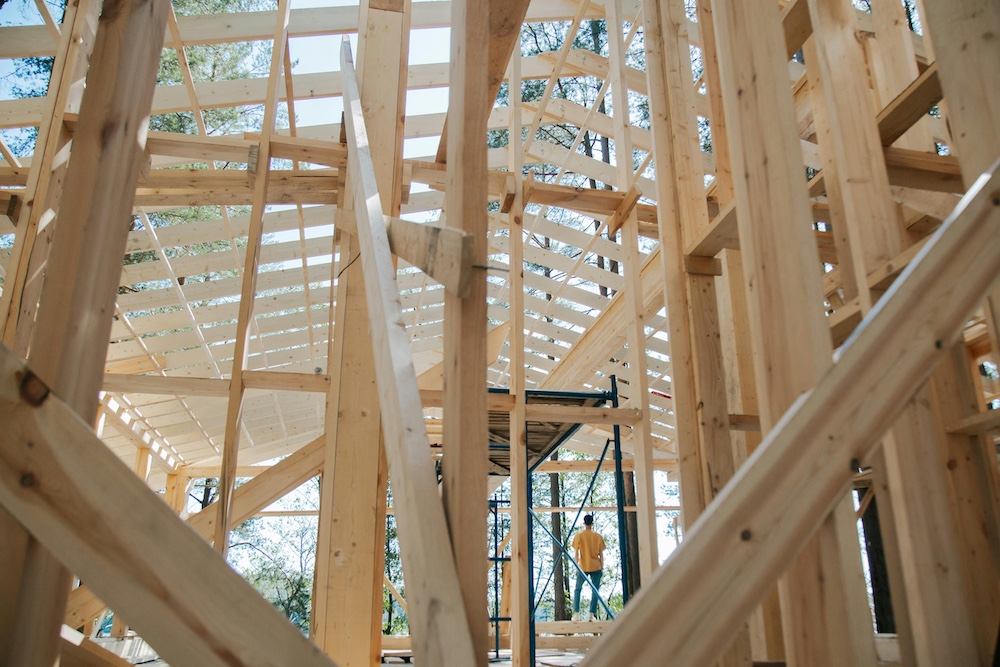



“A picture paints a thousand words,” as the saying goes. So let me paint an accurate picture of what buying an older home in Toronto is like, by telling you a story…
Years ago, a very good friend of mine was looking to move in with his fiancée. They both owned condos, so they wanted to pool their resources and purchase a freehold property.
They weren’t ready to move out of the downtown core, however, so they turned their eye to the Trinity Bellwoods area, which is home to some absolutely breathtaking Century-homes, both Edwardian and Victorian in style.
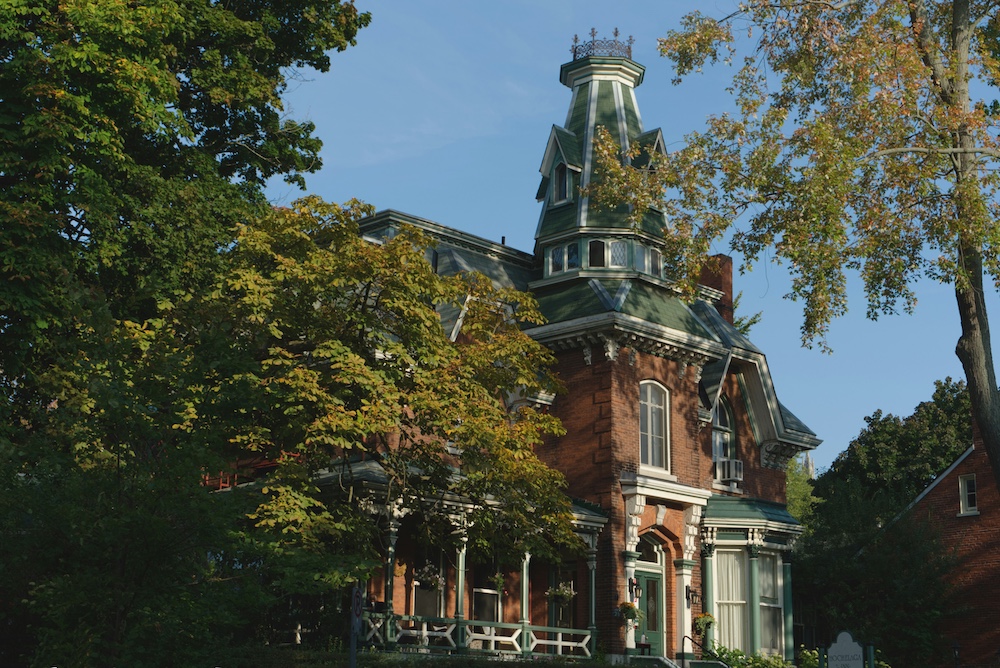
We found a gorgeous house that looked like something out of a movie! An 1886-built, detached Victorian-era home, with original character and charm that you could never replicate, no matter how hard you tried.
They fell in love with the house. They were all in.
Before we made an offer on the house, however, I gave them a sage piece of advice:
“You’re buying a house that was built during the same year that Karl Benz invented the first gasoline powered car. You’re buying a house that was built only nineteen years after Canada was founded. You’re buying a very, very very old home. At some point during your time of ownership, you’re going to experience a major issue, or undertake a costly repair, that’s a function of the age of this house.”
They agreed and understood, and the house was purchased.
It was an exceptional home; probably one of the nicest I’ve ever sold up to that point. They got married, welcomed children, grew in their respective occupations and turned the page on a decade of their lives.
That’s When Things Took a Turn
Then one spring day, after twelve years of living in the house without a single issue, they went down to find their basement completely flooded, and water pouring through the old stone foundation, that had given way.
Consider that the “old stone foundation” was made of stone. Like, actual stones. Like, back in 1884, somebody named “John Smith” loaded a horse-drawn carriage with large boulders, found in the backwoods, and brought them to this Trinity Bellwoods location to use as the foundation for a home.
This stone wall was always going to fail. It was just a matter of when.
Welcome to the joys of owning an older home in Toronto, everybody!
Planning a home purchase? Here are a few more posts you might find helpful:
- How to Buy a Home in Toronto Without Overpaying
- What to Expect at a House Viewing
- Should I Buy a House That’s Been on the Market for a Long Time
The Truth About Century Homes in Toronto
Toronto has houses that date back to the early-1860’s, and most Torontonians, regardless of where they live, would agree that these Century-homes offer an elegance and beauty that can’t be rivaled. As a result, they remain in very high demand, and premiums are often paid, especially for Victorian homes.
The problem is: houses are expensive to maintain, building materials weren’t meant to last forever, and we build differently today than we did in the 1880’s.
Many people are familiar with the term “knob-and-tube-wiring.” This was a type of wiring prevalent in the 1950’s, which insurance companies in today’s market look upon unfavorably, and thus these companies often refuse to insure houses with knob-and-tube present.
But that’s the 1950’s.
Just imagine what was used in houses in the 1800’s?
The foundation, interior walls, floor joists, sub-floor, insulation, plumbing, and I want to say “wiring” but many of these houses didn’t even have electricity when they were built!
Just about every type of building material from the 1800’s, save for wood, has been altered, replaced, and/or improved upon.
Renovations and Repairs in an Older Home
Buyers in today’s market have to understand that if and when they decide to renovate or repair, they’re bound to find additional issues during that process.
Just consider how hard it is to fix a crack in the plaster of an older Toronto home. If it were drywall, the repair could be done in hours. Mud, sand, paint, voila! Plaster is a whole other ballgame, and it’s expensive and time consuming.
Now, what if every repair in an older Toronto home was tantamount to drywall versus plaster?
That is the analogy I want to draw for would-be buyers who covet these Century-homes.
Clay pipes, lead pipes, aluminum wiring, knob-and-tube wiring, asbestos, vermiculite, urea formaldehyde insulation – these are all common building materials from back in the day which we would absolutely want to replace today.
The trouble with older Toronto homes is that sometimes, we don’t know what problem building materials exist until we find them! Case in point: imagine deciding to replace the plaster wall with drywall, simply because you’re tired of repairing it. Once you take down the wall, you discover that there’s an asbestos-wrapped pipe.
What now?
Well, it’s said that “asbestos is only dangerous if it’s disturbed,” but now that you know it’s there, do you really want to patch that wall back up?
Suddenly, the cost of the drywall has quadrupled, as you’re going to undertake asbestos removal as well.
Let’s say you wanted to remove a free-standing wall between the kitchen and the dining room, and in the process, you saw that all that new copper wiring was actually tied into the old knob-and-tube. This is far more common than you would think, but how you were you to know? Electricians do this all the time, since nobody can actually see inside the wall. In this case, taking down that one wall will undoubtedly lead to an unexpected electrical upgrade. But it also begs the question: is the rest of the house knob-and-tube wiring as well?
“Expect the unexpected” is my motto when it comes to renovating older Toronto homes, and while I’m not saying this is a poor idea, I am suggesting that it’s going to cost more than you budgeted for, ten times out of ten.
Did you know that Toronto Realty Group helps seller clients plan and execute home renovations? Download our renovation guide to see how we do it.
Read more about home renos with these posts next:
- To Renovate or Move? How to Decide Which Option is Best
- The Worst Renovations When Selling Your Home
- Best ROI Renovations for Your Home
The Best Approach to Buying an Older Home in Toronto
The character, charm, and irreplaceability of those features of Victorian-era homes unfortunately come with the building materials from the same time period, and you can’t get one without the other. Also consider that our zoning bylaws, building codes, and building practices have changed significantly and repeatedly over a century or more, and thus the way in which these homes were build might not be acceptable today.
If you’re considering buying an older Toronto home, don’t go into it wide-eyed and naïve. What the picturesque photos don’t show are all the headaches that experienced homeowners and real estate agents know about, so your very first move should be to consult an industry expert.
Toronto Realty Group is your source for honest, practical home-buying advice and strategies. Whether you’re thinking about a new build or a century home, we can help. Contact us today by filling out the form on this page, calling us, or sending us an email directly.


Ready to Get Started?
It all starts with a conversation. Whether buying or selling, TRG can help you achieve your real estate goals. Get in touch with our team today to start the process.